You Don’t Need Better Photos, You Need the Right Ones:
What Your Food Photography Says About Your Restaurant
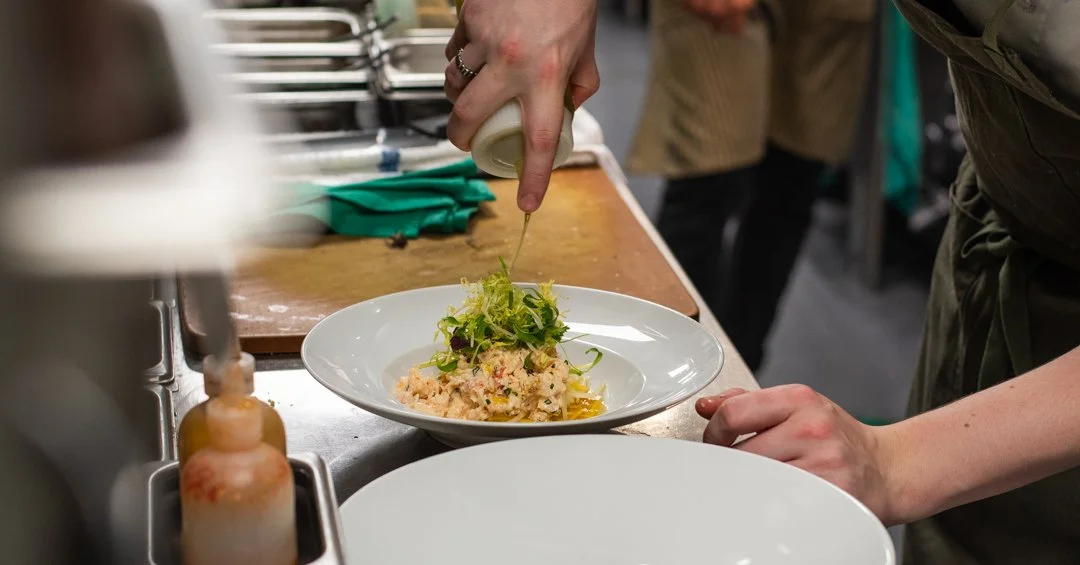
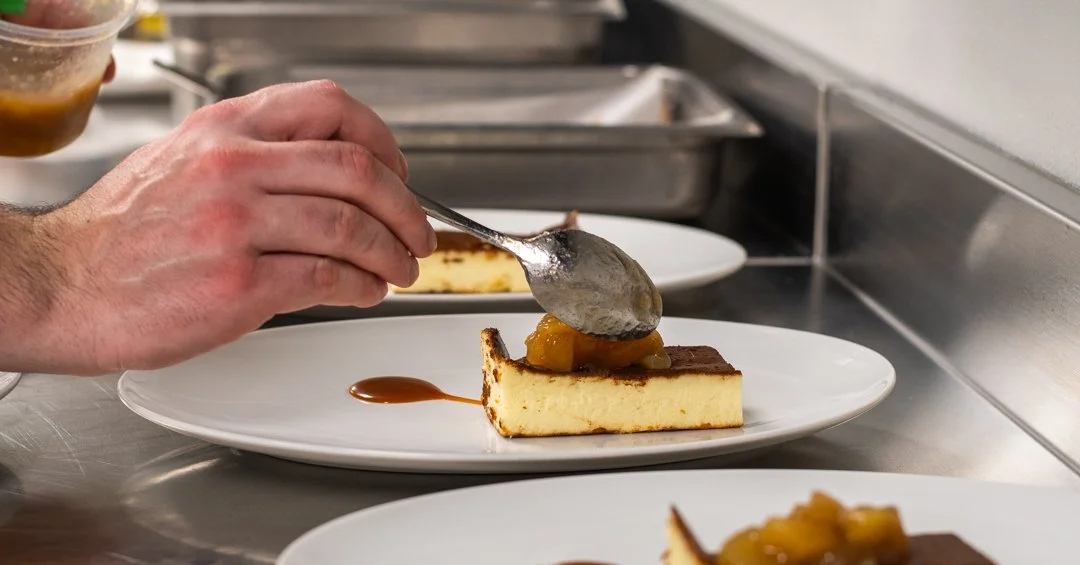
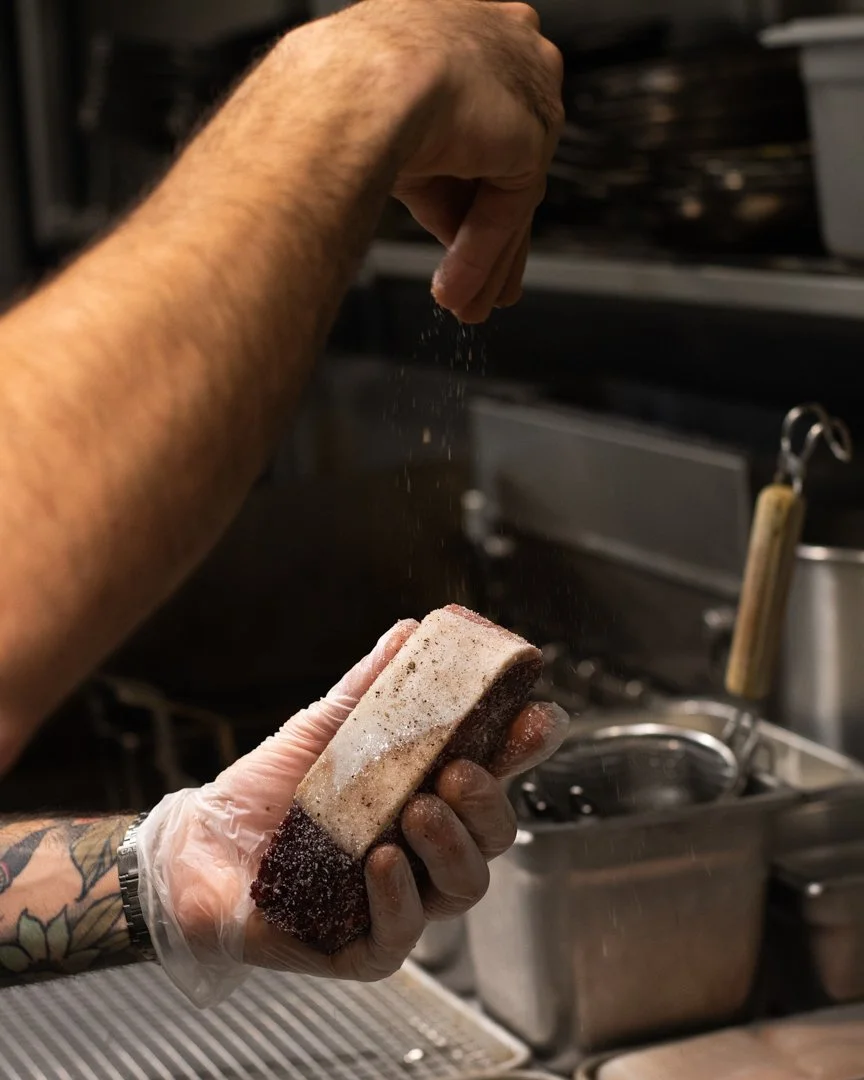
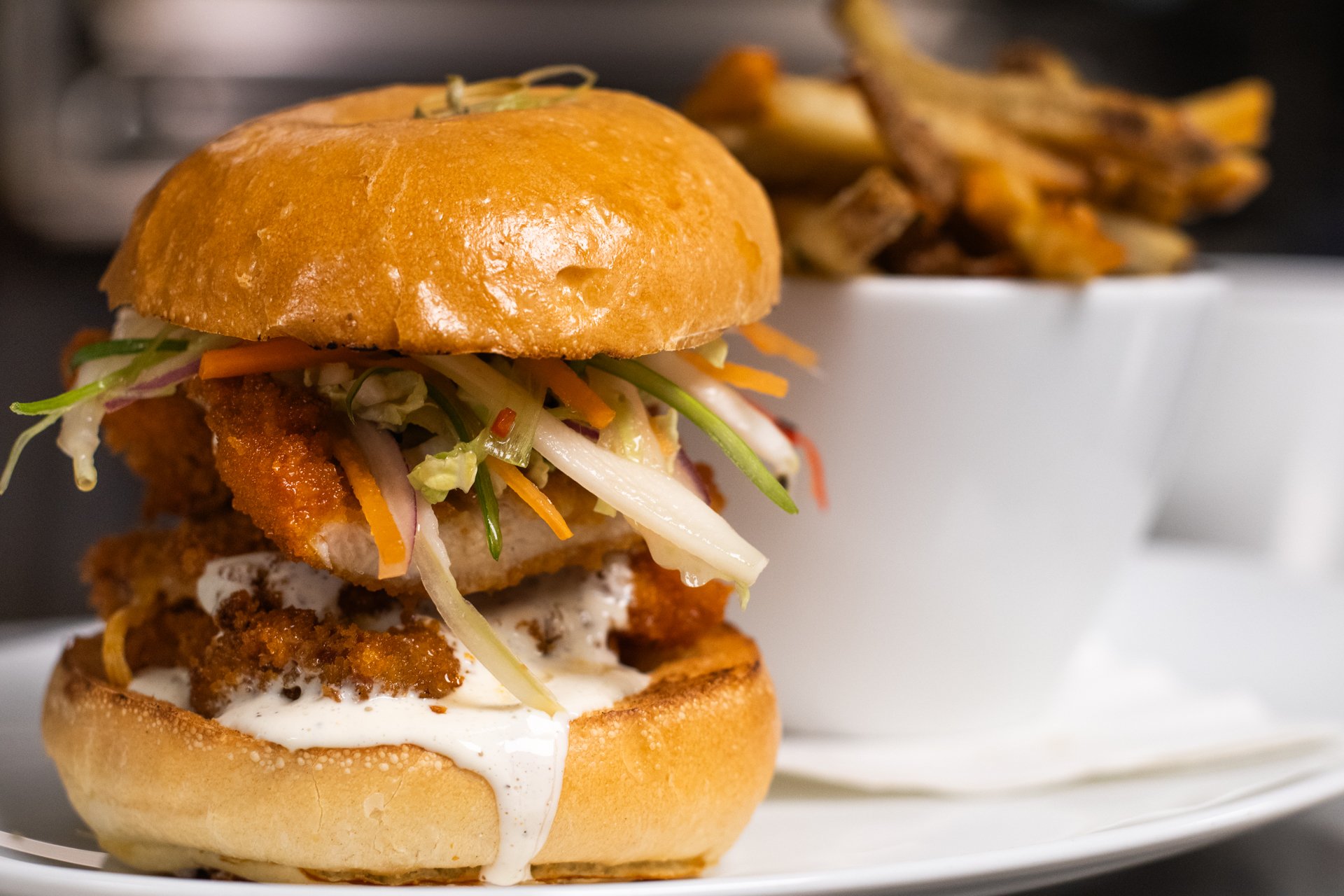
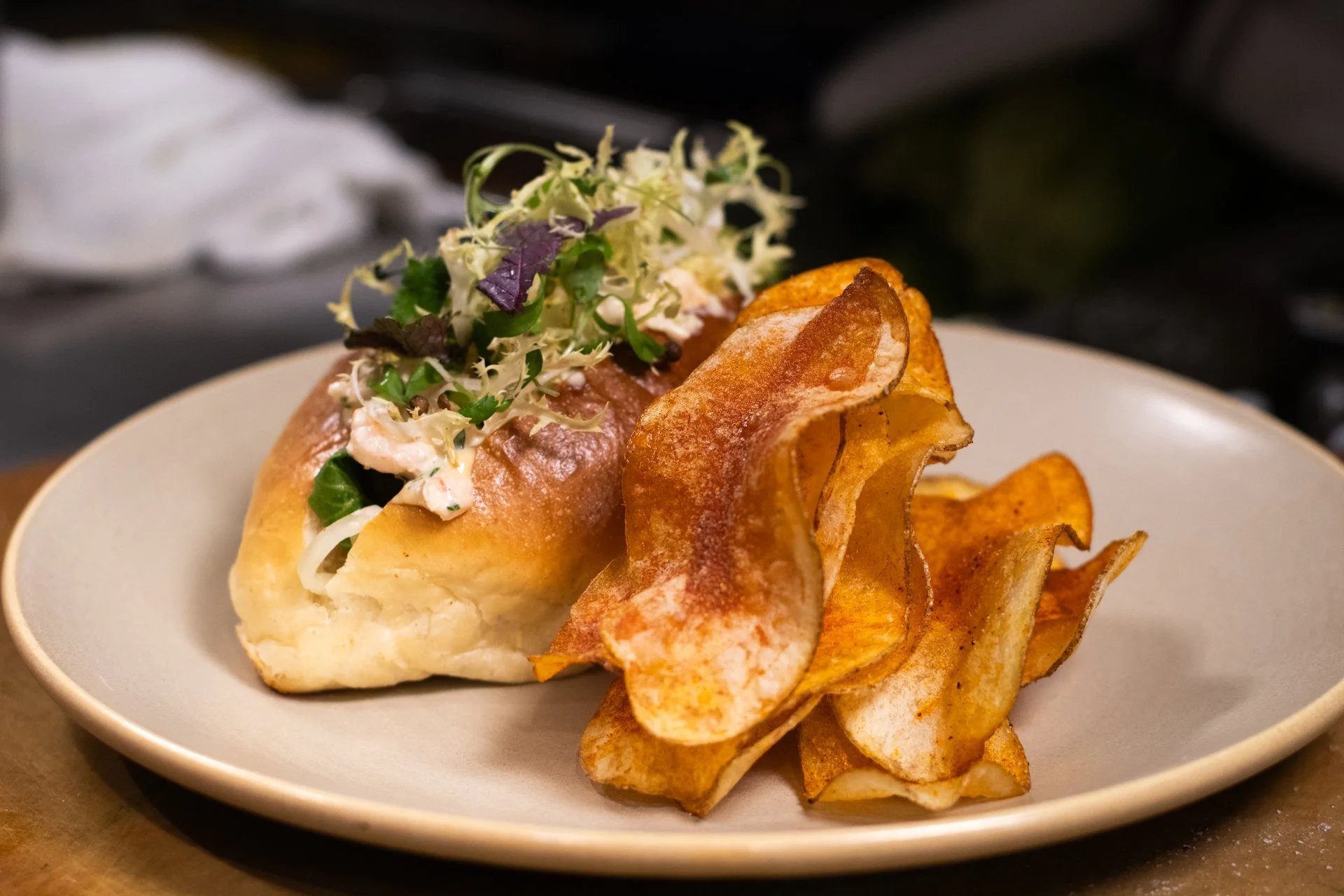
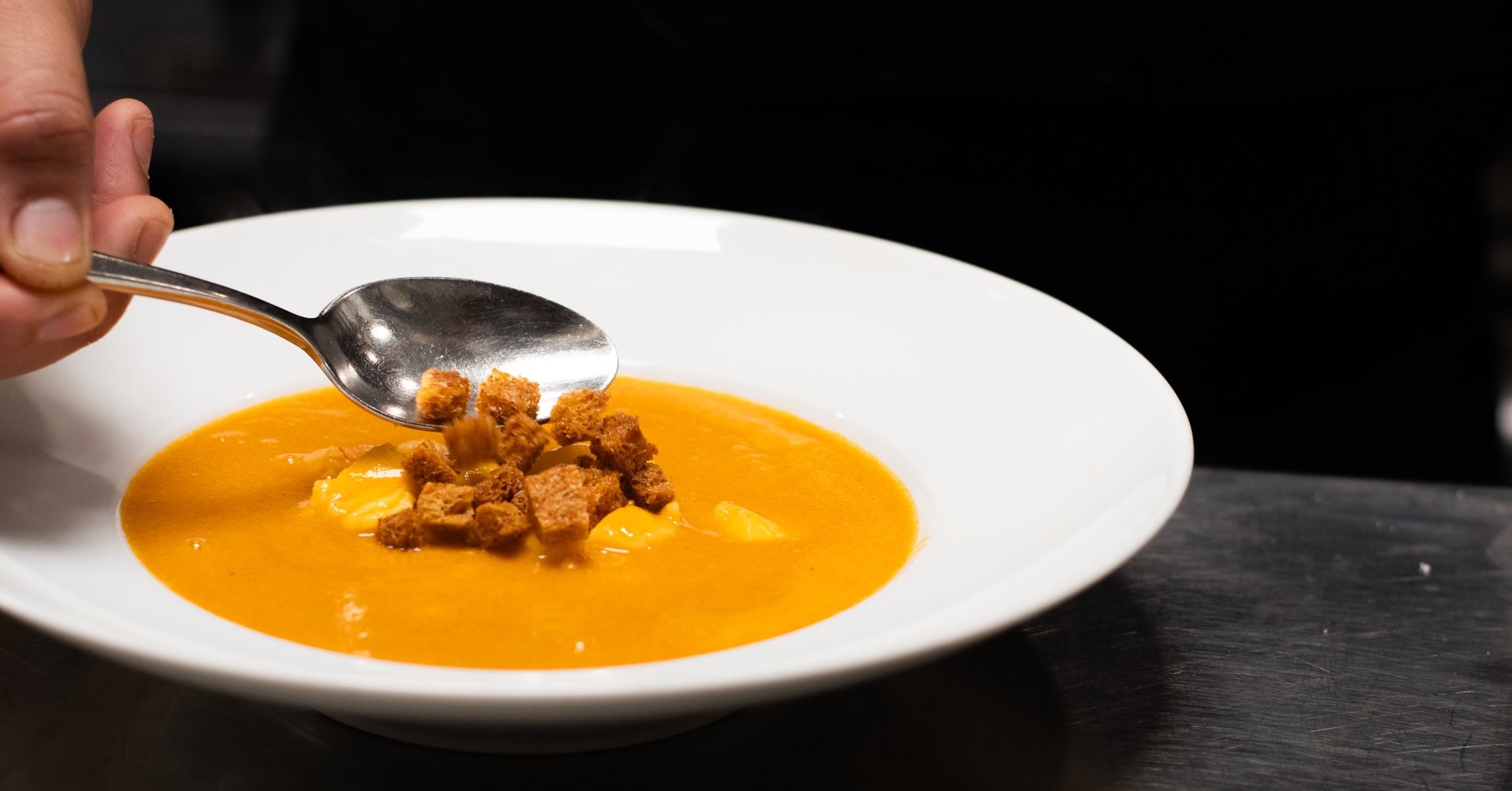
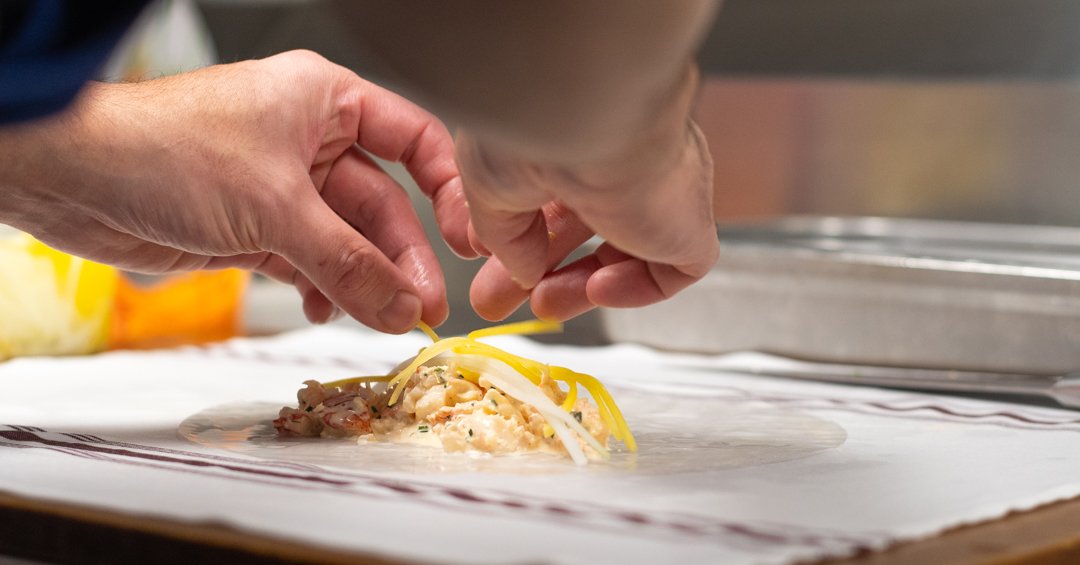
Editorial-style photography is more stylized and controlled. It often uses dramatic lighting, thoughtful composition, and storytelling elements.
You’ll see this in:
Fine dining restaurants
High-end cocktail bars
Concept-driven spaces
What it communicates:
Craftsmanship/Artistry
Exclusivity
Attention to detail
Elevated experience
Editorial photography helps tell stories and visualize experiences so that your guests can see your restaurant as a whole experience rather than just a place to eat.
When to use it:
If your brand is built around artistry, concept, or a higher price point, editorial photography reinforces that perceived value. It performs well with guests who value atmosphere, decor, history, tradition/innovation, or the culinary process.
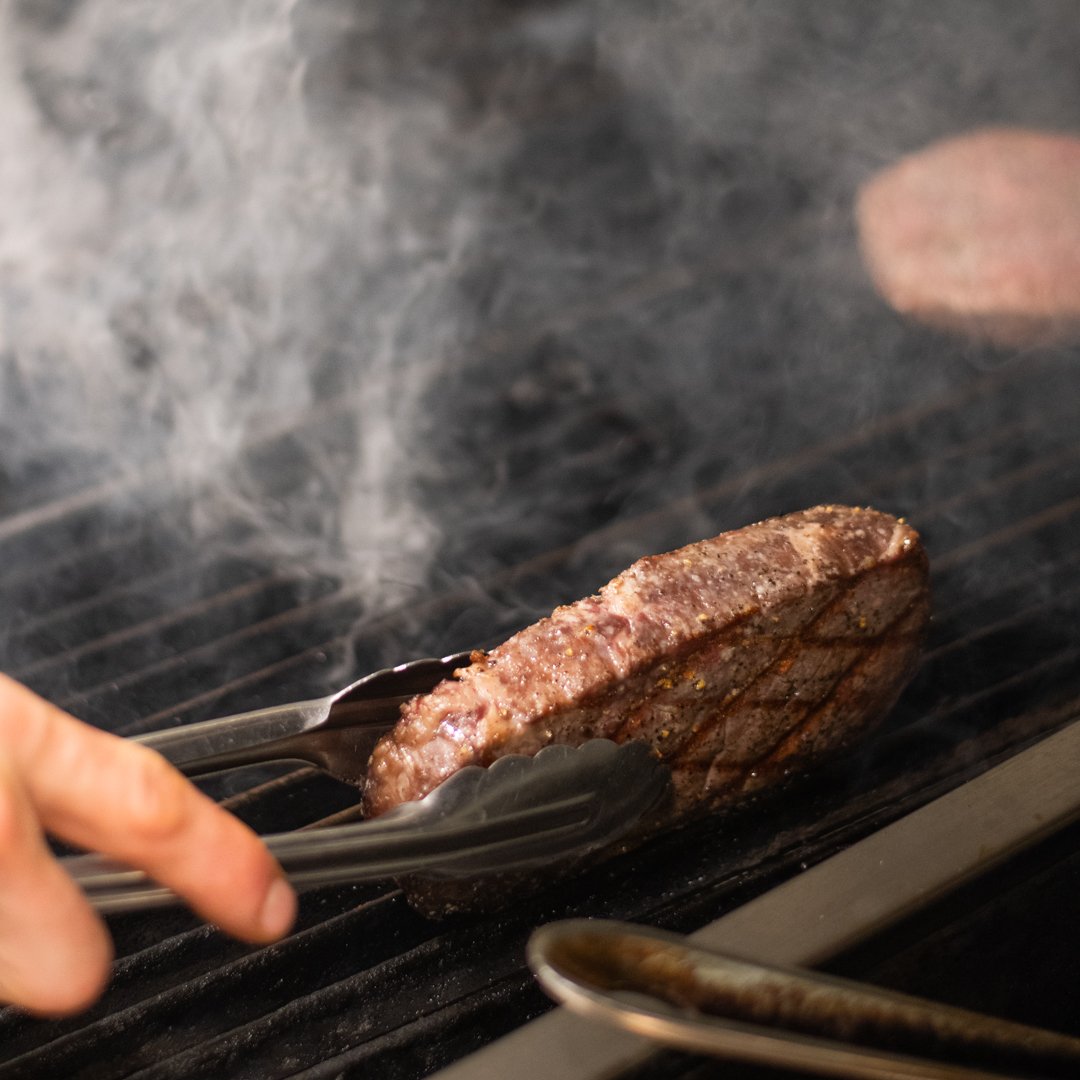
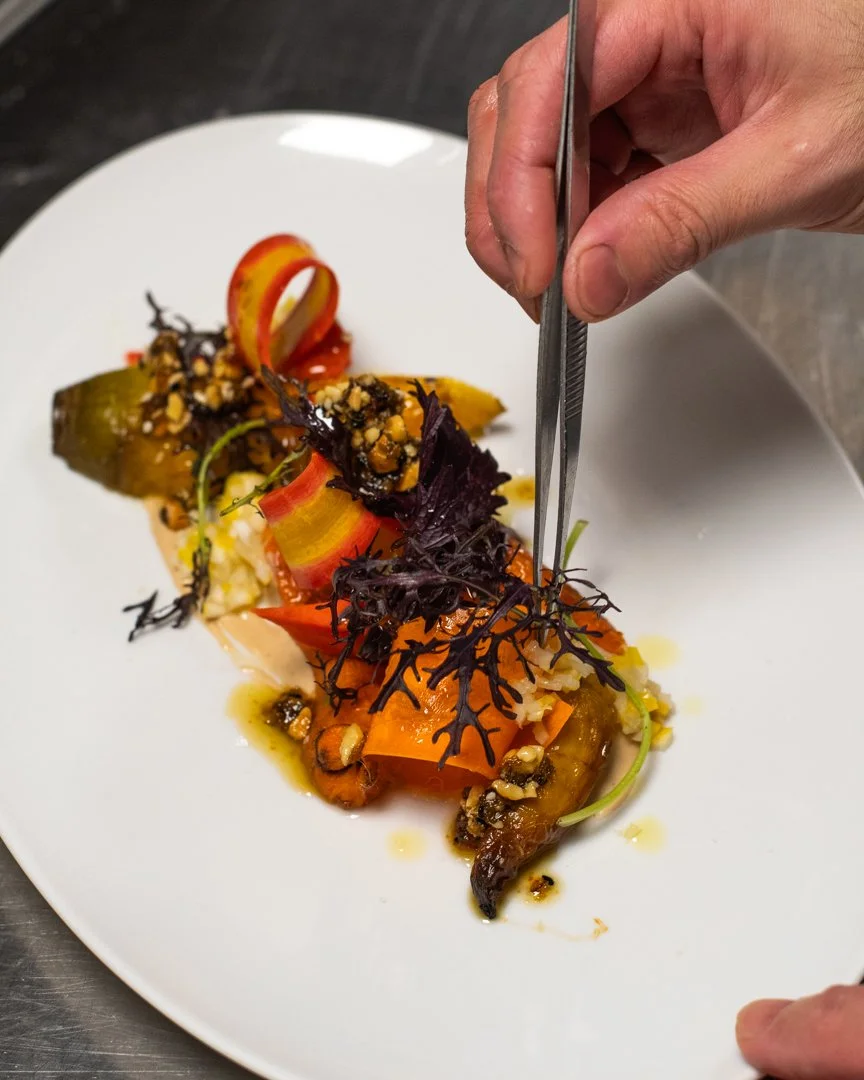
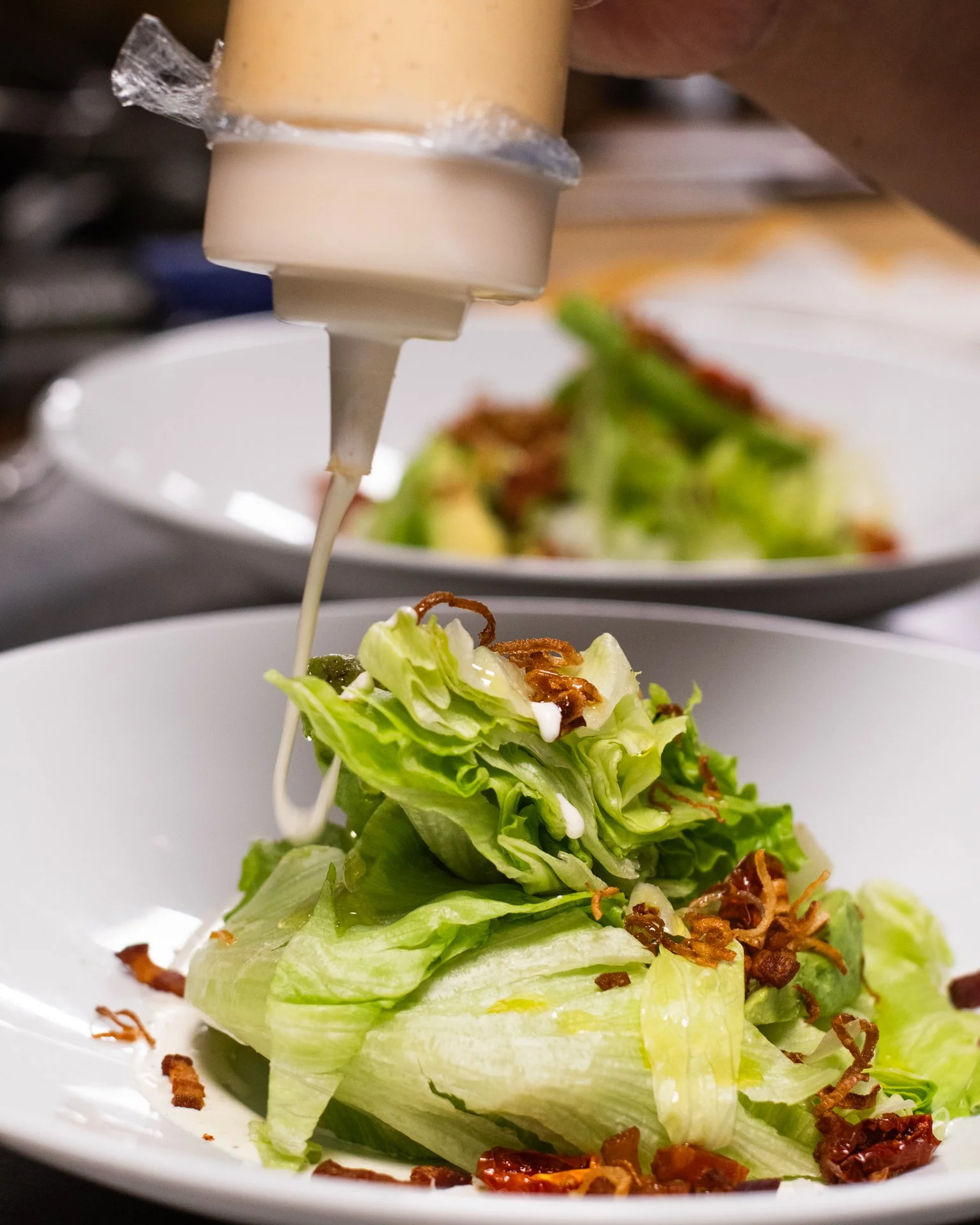
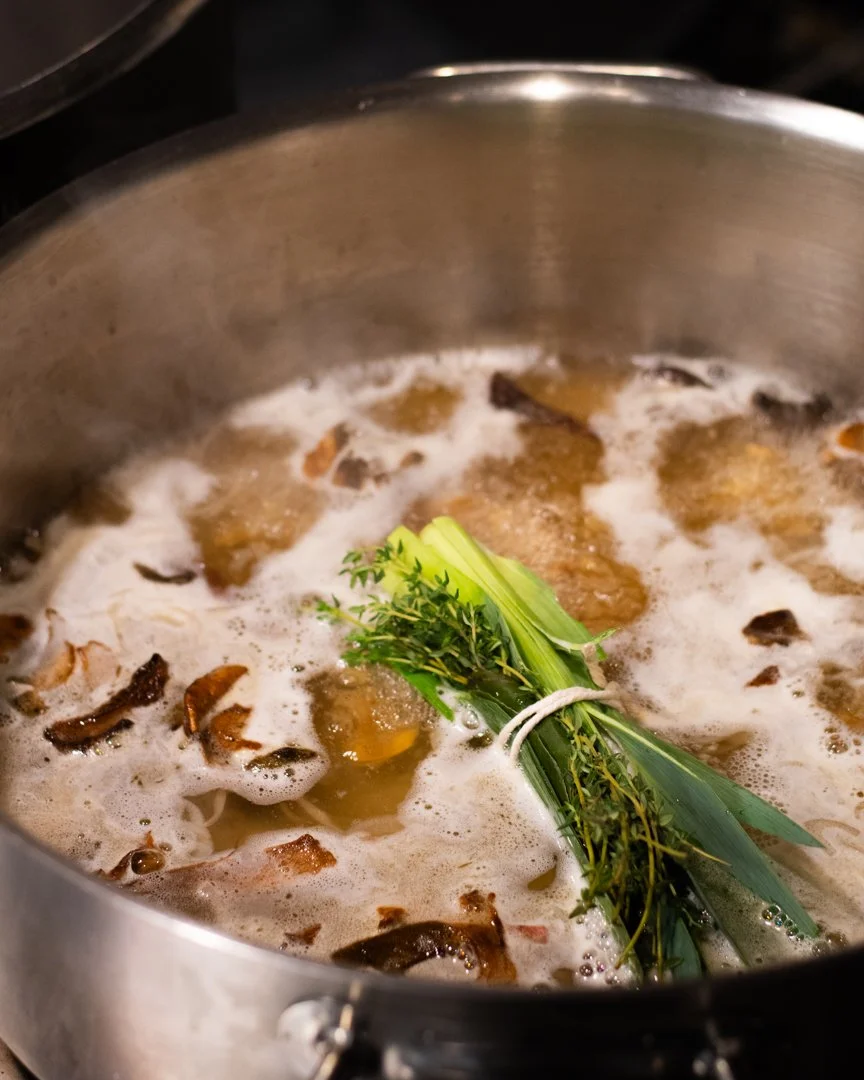
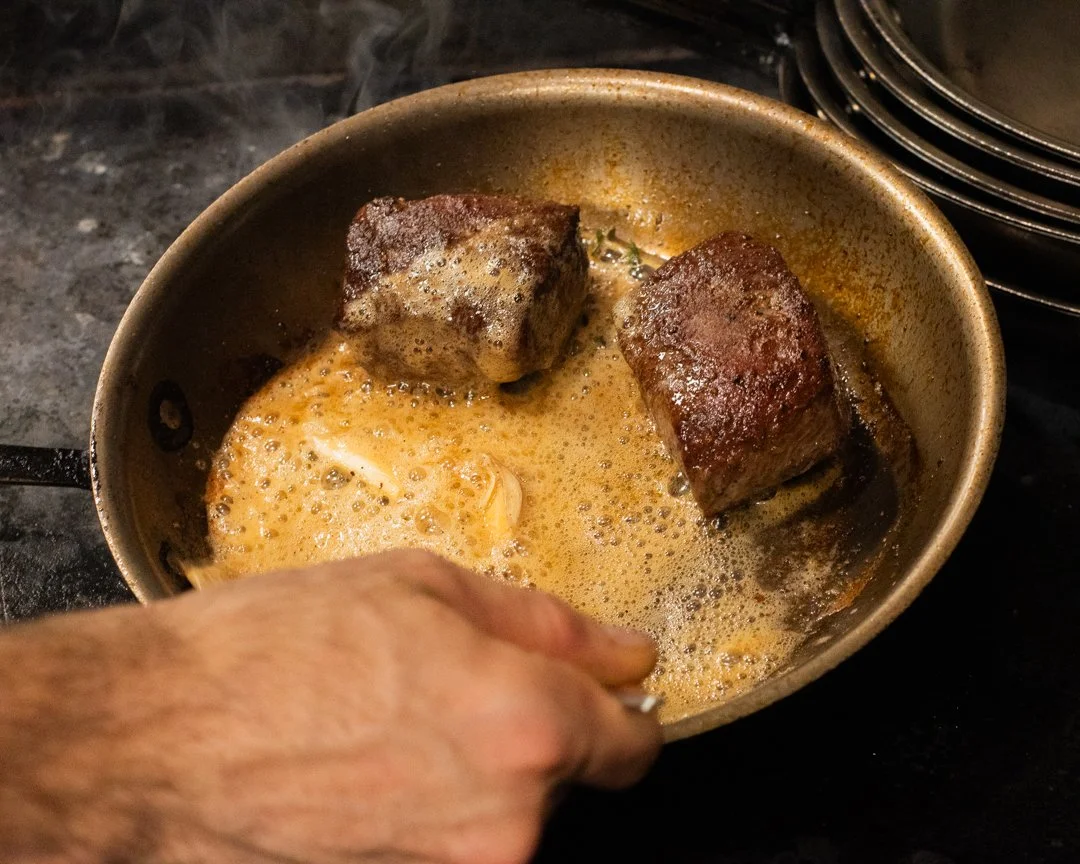
When people discover a restaurant today, it rarely starts with the menu or the way the restaurant looks from the outside. In this digital world, it normally starts with a photo online.
Before a guest knows your prices, your story, or even your location, they’ve already formed an impression based on what they see. Your visuals set expectations and tell people what kind of place this is, who it’s for, and what they should feel walking in. Your photography becomes your first impression and often the deciding factor in whether someone chooses your restaurant or scrolls past it.
The problem is that many restaurants treat food photography as a checklist item: get nice photos, post them, move on. But not all food photography communicates the same message, and more importantly, not all of it attracts the same audience.
Choosing the right style of restaurant photography isn’t about what looks “good.” It’s about what aligns with your brand, your atmosphere, and the guests you want to bring through your doors.
Style Matters More Than You Think
Every visual decision you (or your photographer) make sends a message. Whether it’s lighting, composition, colour or environment. Understanding what’s best for your brand will help you communicate and achieve what you’re looking for.
For example, a bright, evenly lit image might feel fresh and accessible. A darker, more dramatic shot might feel exclusive and refined. And while there’s a time and place for both, they attract different audiences in difference digital spaces. And this is where photography becomes strategy.
Guests don’t sit there analyzing your visuals. They react instinctively and within seconds, they’ve already answered questions like:
Would I like this?
Is this worth trying?
Does it match the vibe I’m looking for?
Can I bring my family/partner/friends here?
Is it trendy, traditional, modern?
Your photography answers those questions before anything else does. And after this, you’ll be familiar with many styles and their implications so that you know what your brand needs.
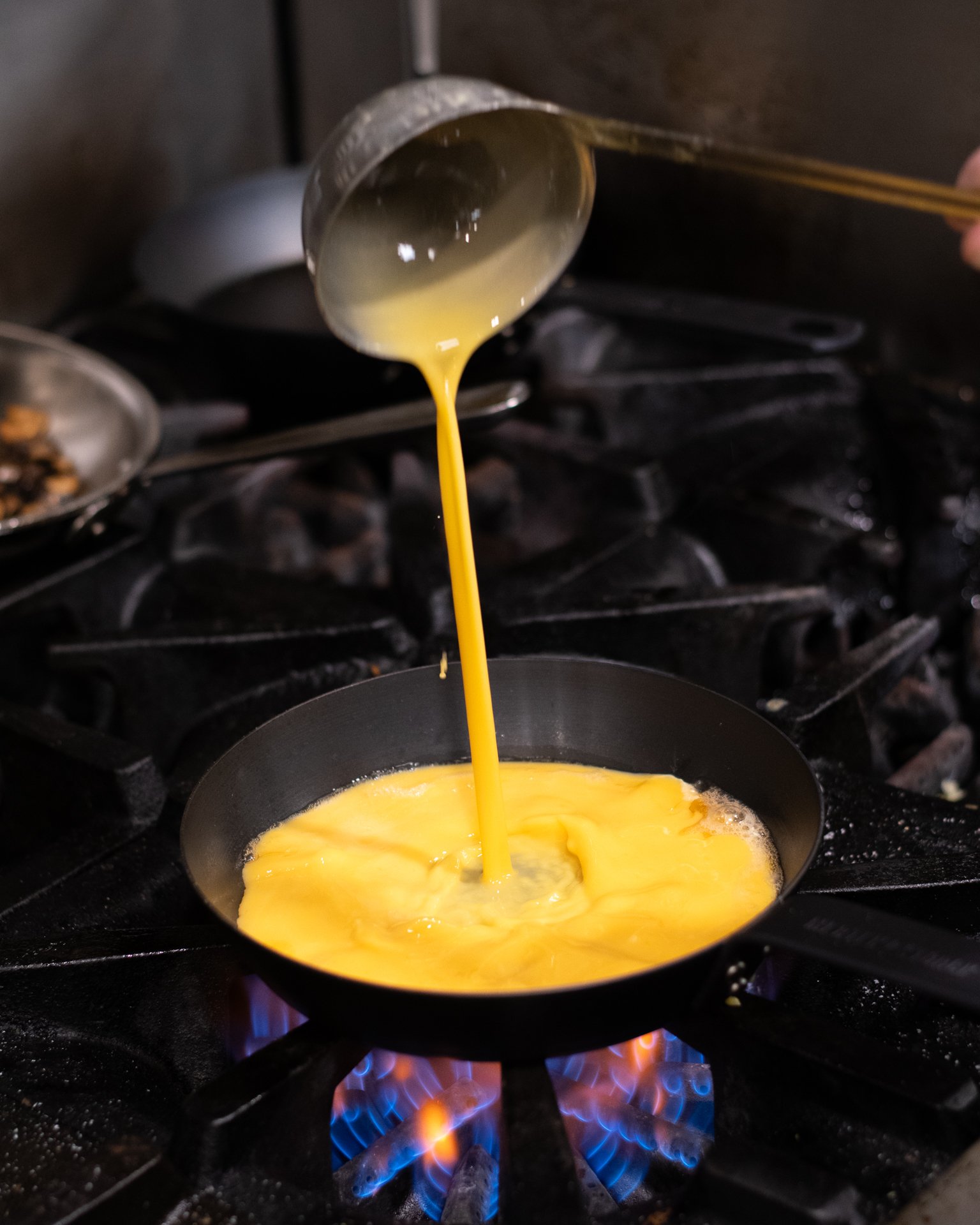
Let’s Talk Examples
Minimal & Clean Photography:
Clear and Approachable
The first and most basic style of food photography focuses on simplicity. It’s the most common because these are the kinds of photos you want for your menu items. It uses Neutral backgrounds, soft lighting, and a clear emphasis on the food itself. No tricks, nothing too fancy, just a good quality image.
Some of the best uses are:
Website menu pages
Online ordering platforms (Uber Eats, DoorDash)
Google Business profile
In-store menus
Packaging or print materials
What it communicates:
Freshness
Transparency
Simplicity
Accessibility
This style works well for audiences who value convenience, wellness, or everyday reliability. It removes distractions and makes the subject (menu item, room, restaurant) easy to understand.
When to use it:
For most casual restaurants, you would use these photos both online and in physical menu’s as a clear, transparent representation of your menu. If your brand is built around clean ingredients, quick service, or a modern, minimal aesthetic, this style can also help reinforce that positioning on web or social media.
Editorial Photography:
Premium and Intentional
Social-First Photography:
Built for Attention
A style of photography that’s often overlooked in today’s world is social media specific photography. This style is designed for platforms like Instagram and TikTok and focuses on catching the viewer’s attention in such a heavily image-saturated space like most social media. It’s bold, vibrant, and optimized to stop the scroll.
Common elements include:
Bright colours
High contrast
Close-up textures
Trend-driven compositions
What it communicates:
Energy
Trendiness
Shareability
Cultural relevance
This approach is less about realism and more about impact. This is where you’ll want to showcase your hero images. It’s also great for temporary promotions or events because it helps draw attention to a singular idea.
When to use it:
If your audience is younger, highly social, and driven by trends or visual hype, this style helps your brand stay relevant and visible. Getting social media specific shots is a must for any restaurant hoping to create a community on Instagram.
Experimental Photography:
Pushing Creative Boundaries
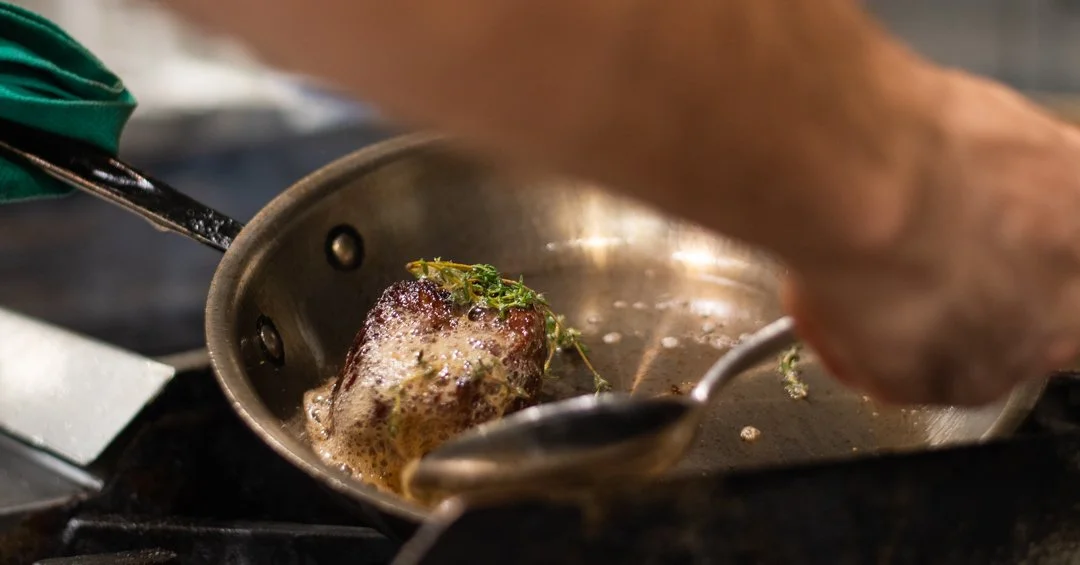
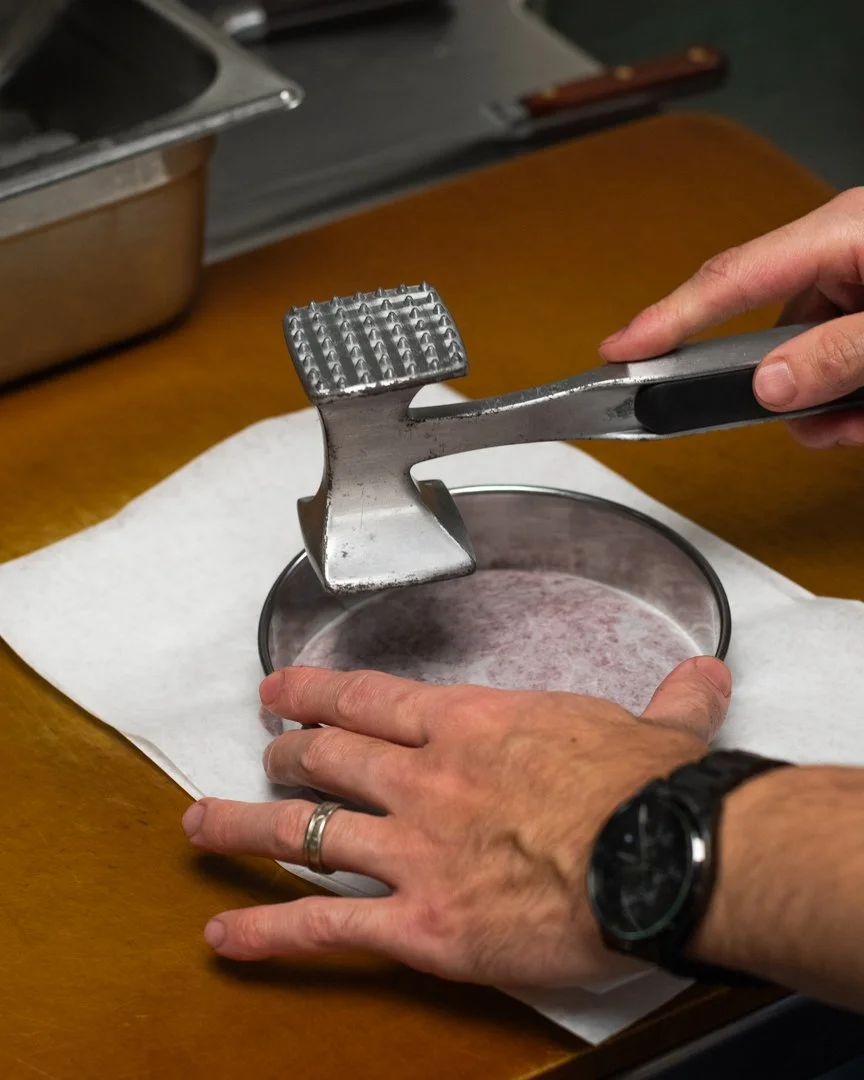
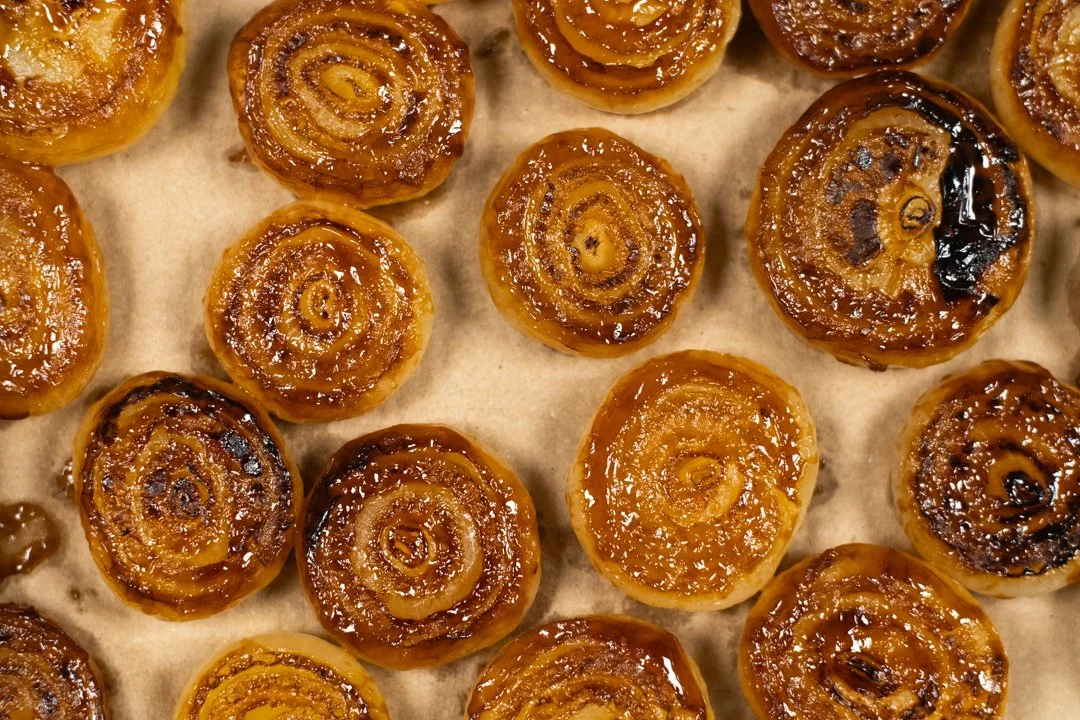
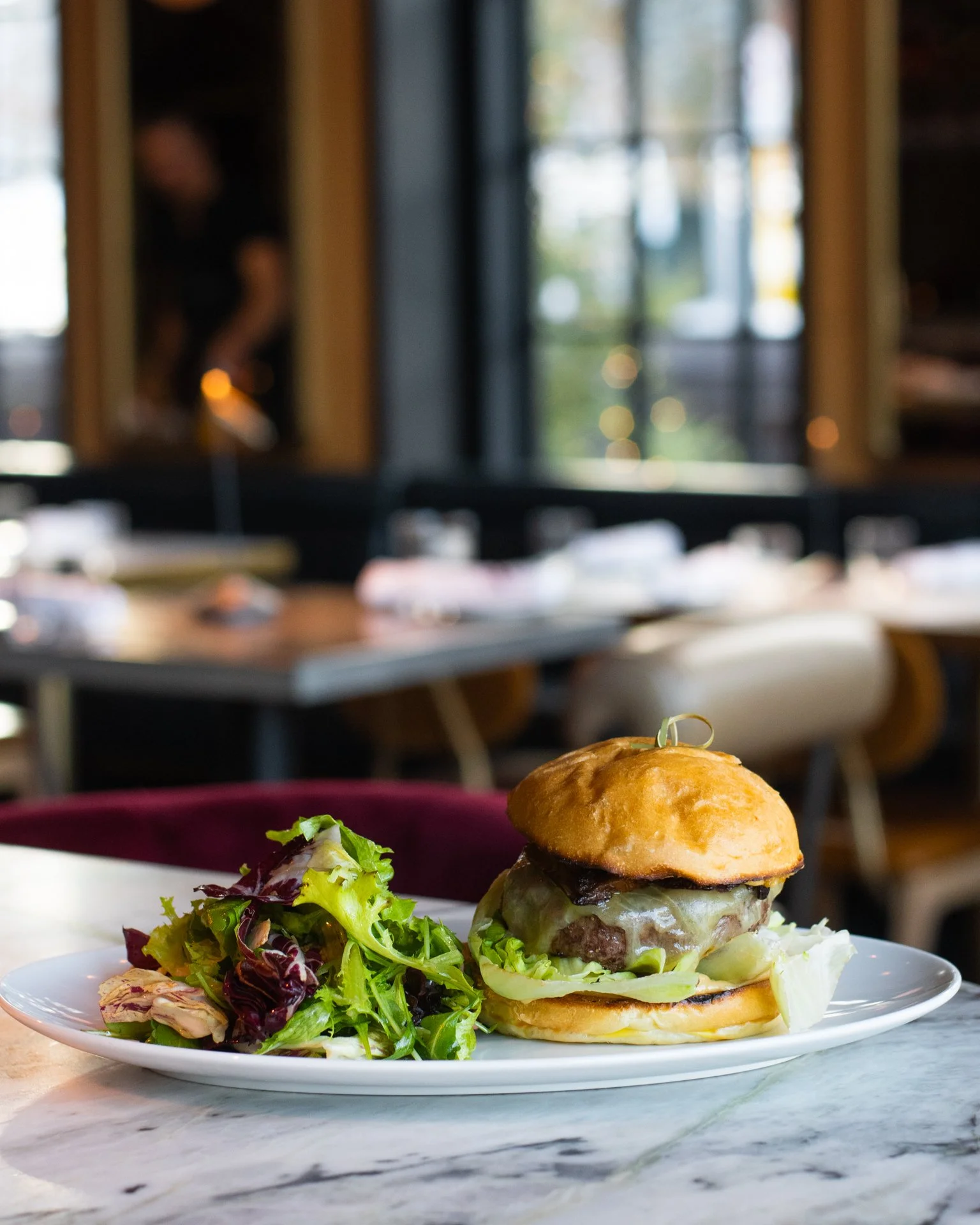
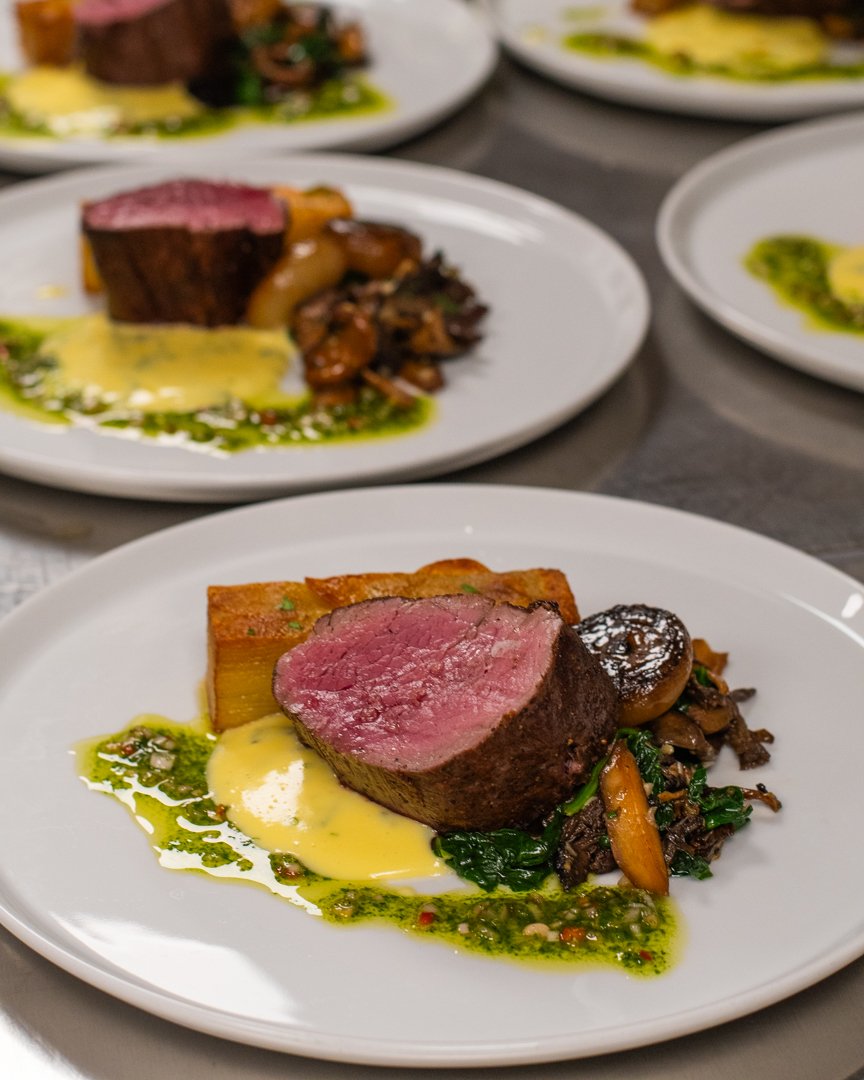
Experimental photography pushes beyond traditional food photography and focuses on creativity, abstraction, and visual storytelling rather than simply showcasing the dish the way it is.
Commonly used in:
Creative campaigns
Chef collaborations
Artistic or culturally-forward stories/spaces
What it communicates:
Creativity
Innovation
Cultural awareness
Bold brand identity
This experimental style stands out because it breaks expectations. Whether through surreal compositions, unique angles, dramatic editing, or unconventional lighting, it transforms food into something more conceptual and visually striking.
When to use it:
If your restaurant brand is built around creativity, storytelling, or pushing boundaries, experimental photography has the power to be instantly memorable. It’s particularly useful when it’s used as visual interpretation for a unique story (about your chef or a menu item). It stands out when your guests value art, design, culture and identity.
How To Choose With Intention
At a glance, food photography might seem like a simple thing: make the food look good and people will come. But as we’ve seen, the reality is much more layered.
Every photography style communicates something different. It shapes how your brand, restaurant, and the food itself is perceived. It not only helps showcase your food the right way, it helps guests understand what kind of experience they can expect before they even walk through your doors.
The most effective restaurant brands don’t just create visuals, they make intentional choices about how they want to be seen.
Whether it’s clean and minimal, refined and editorial, social and energetic, or bold and experimental, each approach plays a role in telling your story. The key isn’t choosing what looks best in isolation, but what aligns with your identity, your audience, and the context in which it’s being showcased.
Because in a space as competitive as the restaurant industry, standing out is about clarity, not just who has better food or better photos.
When your visuals clearly communicate who you are and who you’re for, you attract the right people.
And that’s what turns a single glance at an image into a lasting connection.